Nigeria’s fiscal deficit narrows to N330 billion in Q3 2025
Source: Nairametrics Economy
By PolicyStreet Editorial Desk
POLICYSTREET brief
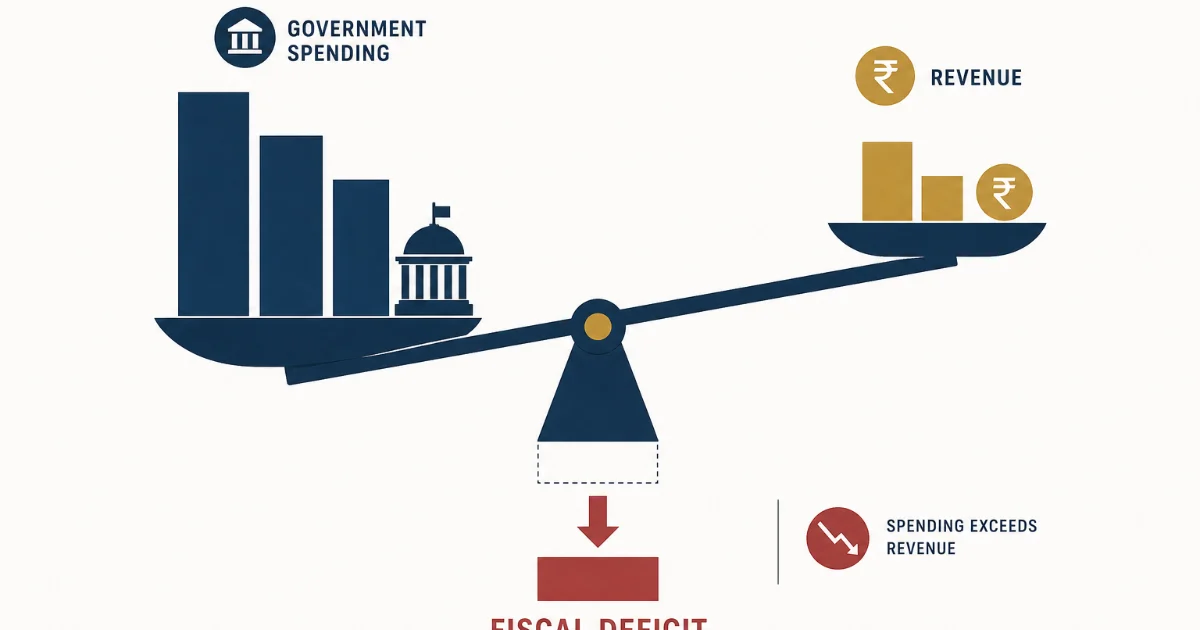
Nigeria's federal fiscal deficit narrowed to ₦330 billion in the third quarter of 2025, according to official data. The improvement reflects a combination of stronger government revenue — driven partly by higher oil receipts and naira-denominated FAAC distributions — and tighter control over expenditure. Relative to Q3 2024, the fiscal position has clearly improved, and that is a meaningful development in a reform cycle that has been costly for households.
The numbers matter less in isolation than as part of a trend. Nigeria ran historically large deficits through 2022 and 2023, funded increasingly by Ways and Means advances from the CBN — a form of direct central bank financing that contributed to inflation. The narrowing of the deficit reduces pressure on that channel and, if sustained, supports the CBN's ability to continue tightening or holding monetary policy without the fiscal side working against it. A government that borrows less from its own central bank gives monetary policy more room to operate.
The structural question is whether this improvement is durable. A significant part of the revenue gain is exchange-rate sensitive — naira depreciation inflates the local-currency value of oil receipts and federation account allocations without necessarily reflecting a stronger underlying fiscal position. If oil prices soften or production falters, the revenue base that is supporting this deficit reduction comes under pressure quickly. On the expenditure side, debt service remains Nigeria's single largest spending item, and with a large domestic debt stock at elevated interest rates, that burden is not shrinking.
For investors and businesses, a narrowing fiscal deficit is a positive signal — it reduces the risk of monetisation, supports naira stability, and lowers the probability of a fiscal shock that forces policy reversal. But it is a necessary condition for macroeconomic stability, not a sufficient one.
Number to watch: ₦330 billion — Nigeria's Q3 2025 fiscal deficit, against a backdrop of significantly larger deficits in recent years.
Risk to watch: The fiscal improvement is partly a function of a weaker naira inflating oil revenue in local currency terms. A sustained drop in Brent crude prices or a production shortfall from the NNPCL would reverse much of this progress — and the expenditure commitments, particularly debt service, do not adjust downward at the same speed.
Source for verification
Use the original source link to verify the underlying publication.
Original source →Reader comments
Your email address will not be published. Comments are reviewed before appearing.
No approved comments yet.