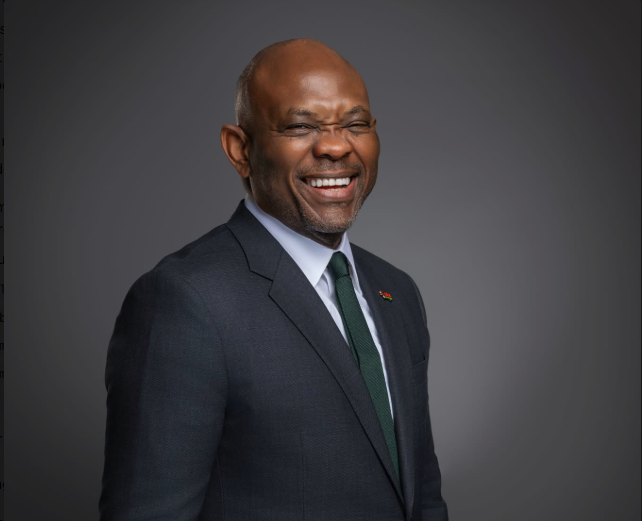
Seplat Energy, one of Nigeria's largest upstream oil producers, is undergoing a significant leadership transition that signals a broader shift in ownership and control of the country's energy sector toward domestic capital. Heirs Energies, the energy platform controlled by billionaire Tony Elumelu, has purchased a 20.07% stake in the company for approximately $500 million, making it the largest single shareholder. In tandem, Effiong Okon will take over as chief executive in August 2026 when Roger Brown retires, and Elumelu will become chairman on 1 January 2027.
Local Capital Anchors FX-Earning Assets
For nearly two decades, Seplat operated as a vehicle for international portfolio capital and management expertise. The shift to domestic ownership under Elumelu — a prominent advocate of "Africapitalism," the concept of using private capital to solve development challenges — repositions one of Nigeria's critical foreign exchange earners under local decision-making at a time when portfolio investors are widening risk premiums on Nigerian assets.
Africapitalism Moves from Concept to Sector Control
Elumelu's Africapitalism framework has gained traction in banking and infrastructure, but control of an upstream oil producer represents a qualitatively different scale of ambition. The question for investors and policymakers is whether this translates into operational improvements or remains primarily a governance change.
The Macro Question: Can New Management Drive Sector Fixes?
For Nigeria's broader macroeconomic outlook, the critical unknown is whether the new board — holding significant political and financial capital — can tackle longstanding operational constraints: regulatory bottlenecks, security challenges, crude theft, and foreign exchange access. If successful, improved efficiency at Seplat could contribute to higher oil output and export volumes, bolstering Nigeria's FX supply and fiscal position. If not, this becomes a high-profile ownership change without structural economic impact.
The transition signals confidence in Nigeria's energy sector from domestic capital at a moment when international investors are reassessing exposure.